

Your capacity is not your character
Some days I can work a full shift, come home, work out, walk the dog, and still make dinner. Other days, I can barely get out of my scrubs when I get home, and everyone starts scrambling for cereal or DoorDash.
For a long time, I saw this as a personal failure. Poor planning or maybe not enough discipline. Over the past six years, I tried to balance full-time work, building a program, and grad school. I was also a mom and wife, sharing the care of my parents with my sisters. Somewhere in all of that, I abandoned the habits that had supported me through night shifts, raising babies, and working in a high-acuity ICU.
We can do anything, just not everything. I eventually hit a wall. I mean, head-on. My body had been giving me signs that it was all getting too much. Insomnia, poor concentration, irritability, crying randomly on the way home from work, feeling like the work I was doing was no longer making a difference, fatigue, among the many other signs I ignored.
By March 2023, I had withdrawn from grad school and given notice at work. During my 50th birthday trip to Maine, my husband and I had crunched the numbers and decided I would join him in his business, something we had discussed for years.
I was in my final week of work, feeling relieved and relatively ok that day. There was a blood drive at work. A colleague had just donated, and I thought to myself, it had been years since I last gave, and it was time. I was almost done, feeling grateful I didn’t pass out, when all of a sudden I heard people screaming my name from a distance. I opened my eyes and saw everyone around me wondering what the hell had just happened. I could taste blood and vomit, and the medical assistant was telling me I had passed out and peed on myself. Come again?
I was indeed sitting in a puddle of urine, vomit on my Care Expert shirt in the same auditorium where, just weeks earlier, I had guided grieving colleagues through yoga. What the….? Of course, I wanted to disappear, and I was grateful for a coworker who donated right next to me and got me warm wipes, fresh scrubs, and some dignity by giving me privacy to change. I got myself home, eventually ending up back in the ER to rule out more serious cardiac and pulmonary concerns, as I had been short of breath more easily leading up to that event.
I was told it was stress. A simple explanation, perhaps, but not a simple thing to address. In the months that followed, I revisited my coursework on caregiver well-being and allostatic load: the cumulative wear and tear associated with ongoing stress. It gave me language for the demands I had been stacking for years. I can’t say that chronic stress alone caused what happened during that blood donation. But the experience made me stop dismissing how exhausted and overwhelmed I had become. I didn’t need to prove that stress caused my collapse to recognize that something needed to change.
I realized that in previous periods of my life, while I seemed capable of juggling a high-stress career and a demanding personal life, I had been prioritizing my own well-being and restoration. I anticipated and prepared for the demands and supported my capacity, but I didn't have the language for it that I do now.
When we, as caregivers, don’t look at the entirety of our demands, we can overcommit, including our workouts. When we leave one demand and head to another, we fail to fully acknowledge the cumulative effect of stacking these demands on us physically and psychologically. Without adequate rest and restoration, we eventually cannot hold it all together, and we crash, not always in such a dramatic way.
Looking at our demands with a curious and realistic perspective is crucial. Not beating ourselves up, but honestly asking what is worth carrying, what we can put down, and prioritizing regular time to fill up our tanks.
I have since gone back to the hospital. I work full time in PACU, regularly take call, and still handle a demanding job where I have to juggle others’ emotions (both patients and colleagues). I prioritize my own care through self-compassion and awareness of not only what I need but also what I can handle, including sweaty workouts when I have a full tank and regular practices to support recovery and notice sooner when I’m stretched too thin.
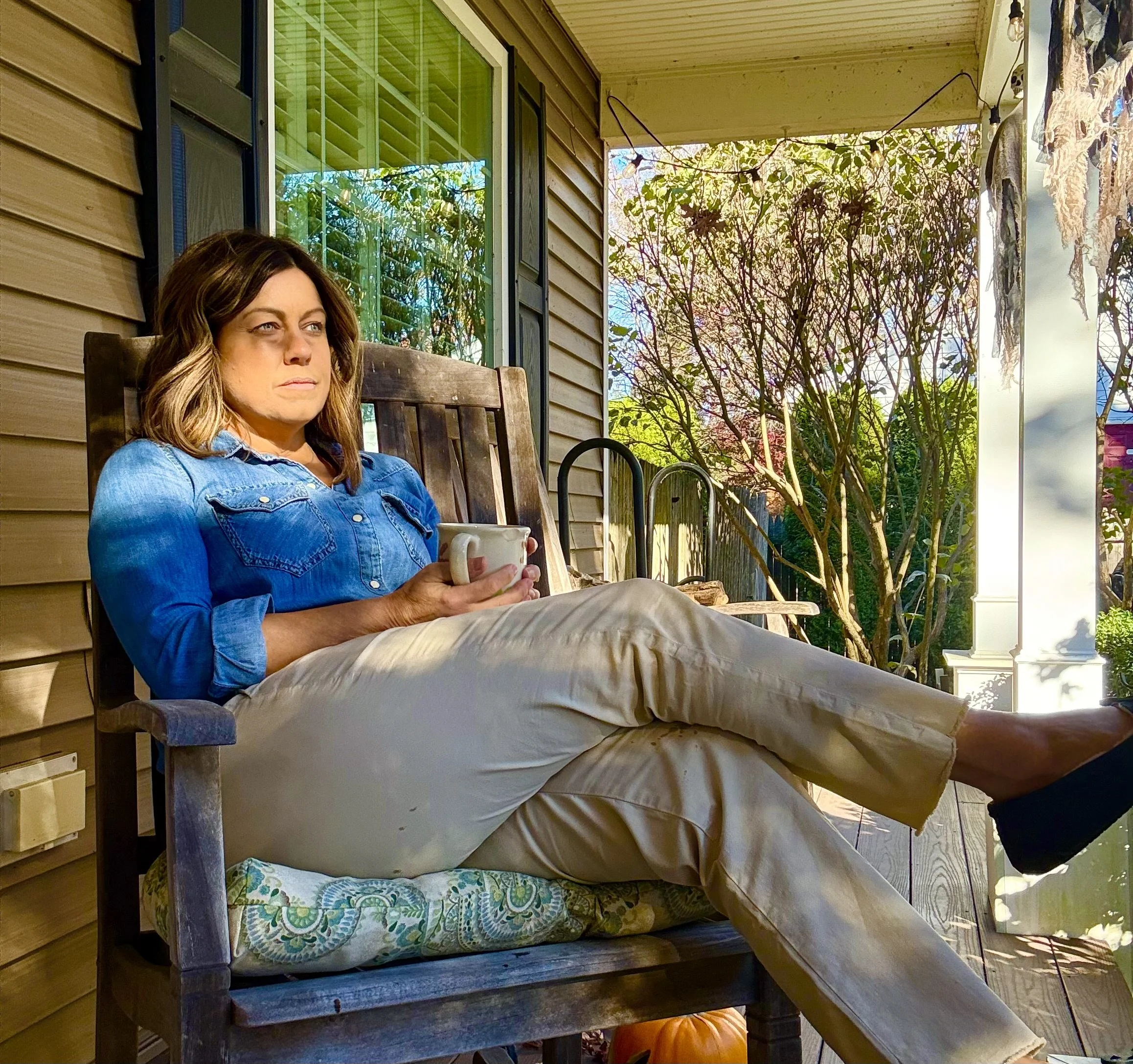
Some nights I lift weights and make dinner. Some nights we eat cereal. I’m learning to recognize what I have available and respond with care.
My capacity changes. My character hasn’t.
A Well-Built Life is where I share my story with you to help you take time to honor yourself, your capacity, and the life you are building.
XO Diane